
 By
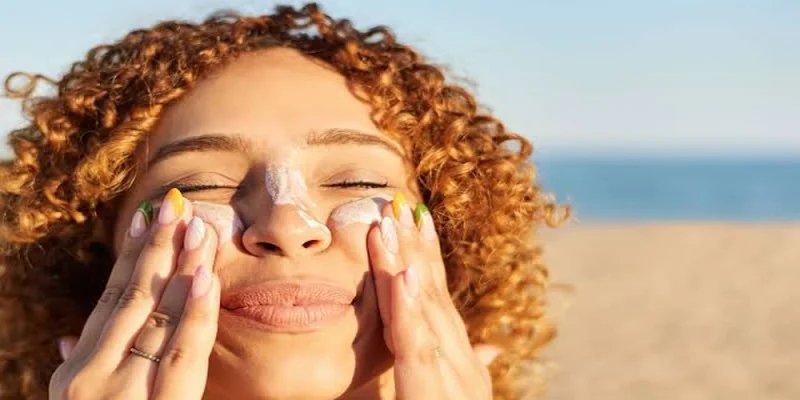
Facial sun damage builds quietly, one ordinary commute at a time. Office windows, school runs, and parked cars all add exposure. Oily skin complicates the fix, since heavy creams trap sebum. Clogged pores follow, and the tube gets abandoned. Choosing the best oil free face sunscreen solves both problems at once. SPF 50+ filters roughly 98 percent of burning UVB rays. Broad-spectrum versions also block the UVA behind dark spots. Even so, results depend on more than the printed number. Filters, texture, dosing, and reapplication decide real-world protection.
SPF 50+ Covers the Gaps Real Life Creates
Lab ratings assume a thick, even layer. Most people apply about half the tested amount. At half dose, protection falls well below the label. Starting from 50+ leaves a wider safety margin. That buffer counts on overcast days when UVA penetrates clouds. Glass blocks UVB but lets most UVA reach desk workers.
What Makes a Sunscreen Truly Oil Free?
Labels can mislead, so ingredient lists deserve scrutiny. The first five ingredients reveal the true base. Reliable oil-free formulas share these traits:
- Water or alcohol forms the base instead of oils.
- Silica and starches soak up shine through the day.
- Non-comedogenic testing confirms pores stay clear.
- Mineral oil and heavy butters stay off the list.
Texture Decides Whether the Habit Sticks
Protection only works when someone wears it daily. A greasy film under makeup invites skipping. Gel and fluid textures absorb in under a minute. In humid climates, a matte finish prevents midday slide. The best oil free face sunscreen feels like light serum. Comfort, in short, becomes a protection feature.
How Much Product Covers the Face?
Dermatologists recommend about a quarter teaspoon for the face. Smaller amounts thin the film and leave weak patches. The two-finger method makes measuring easy:
- Squeeze lines along two fingers.
- Spread across forehead, cheeks, nose.
- Cover ears and neck separately.
- Let the layer dry fully.
- Layer makeup once it settles.
Does One Morning Coat Last All Day?
Sweat, sebum, and touching the face break the film down. Oily skin speeds that erosion noticeably. Reapplication every two hours matters during outdoor stretches. Indoors, a midday touch-up still helps near sunny windows. Powder sunscreens and SPF mists simplify the job over makeup. Water-resistant labels cap out at 80 minutes of swimming.
The Quarter Teaspoon Outweighs the Number
An SPF 50+ label describes a ceiling, not a guarantee. The quarter teaspoon, spread each morning, sets the real floor. Between them sits every skipped coat and missed touch-up. An oil-free fluid narrows that gap by staying wearable. A breakout-free tube gets finished; a greasy one gets forgotten. Over a decade, that difference shows as fewer sunspots and firmer skin.
FAQs
Can oil-free SPF 50+ sunscreen replace a moisturizer?
Formulas with glycerin or hyaluronic acid hydrate oily skin adequately. Dry patches near the nose may need a thin gel first.
Is mineral or chemical SPF better for acne-prone skin?
Zinc oxide soothes redness and suits reactive, breakout-prone faces. Newer chemical filters, by contrast, spread thinner and leave no white cast.
Do darker skin tones still need SPF 50+?
Melanin adds some defense but cannot stop UVA-driven pigmentation. Tinted oil-free formulas also prevent the grey cast on deeper complexions.
Should sunscreen go on before or after makeup?
Sunscreen is the final skincare step, applied just before foundation. Five minutes of drying time keeps the base from pilling.
Will a matte sunscreen dry out combination skin?
Absorbent powders target shine but can tighten drier cheek areas. Applying a lighter layer on cheeks keeps the finish balanced.

Comments